







Understanding how the human body works is foundational for careers in nursing, healthcare, and biomedical science. Through the Universities of Wisconsin Online Collaboratives Gen Ed Courses, students can take courses such as UWX BL285: Anatomy and Physiology I and UWX BL286: Anatomy and Physiology II for a deeper understanding of the body’s systems while fulfilling key general education requirements—all online.
Each course is 4 credits, and both feature a lab component. Anatomy and Physiology I examines the structure and function of the human body at the molecular, cellular, tissue, and system levels of organization. Students must take UWX BL101: Concepts of Biology or an equivalent as a prerequisite before enrolling in the course.
Anatomy and Physiology II covers the endocrine, cardiovascular, lymphatic, immune, digestive, respiratory, urinary, and reproductive body systems. Topics include nutrition and genetics, along with water, electrolyte, and pH balance.
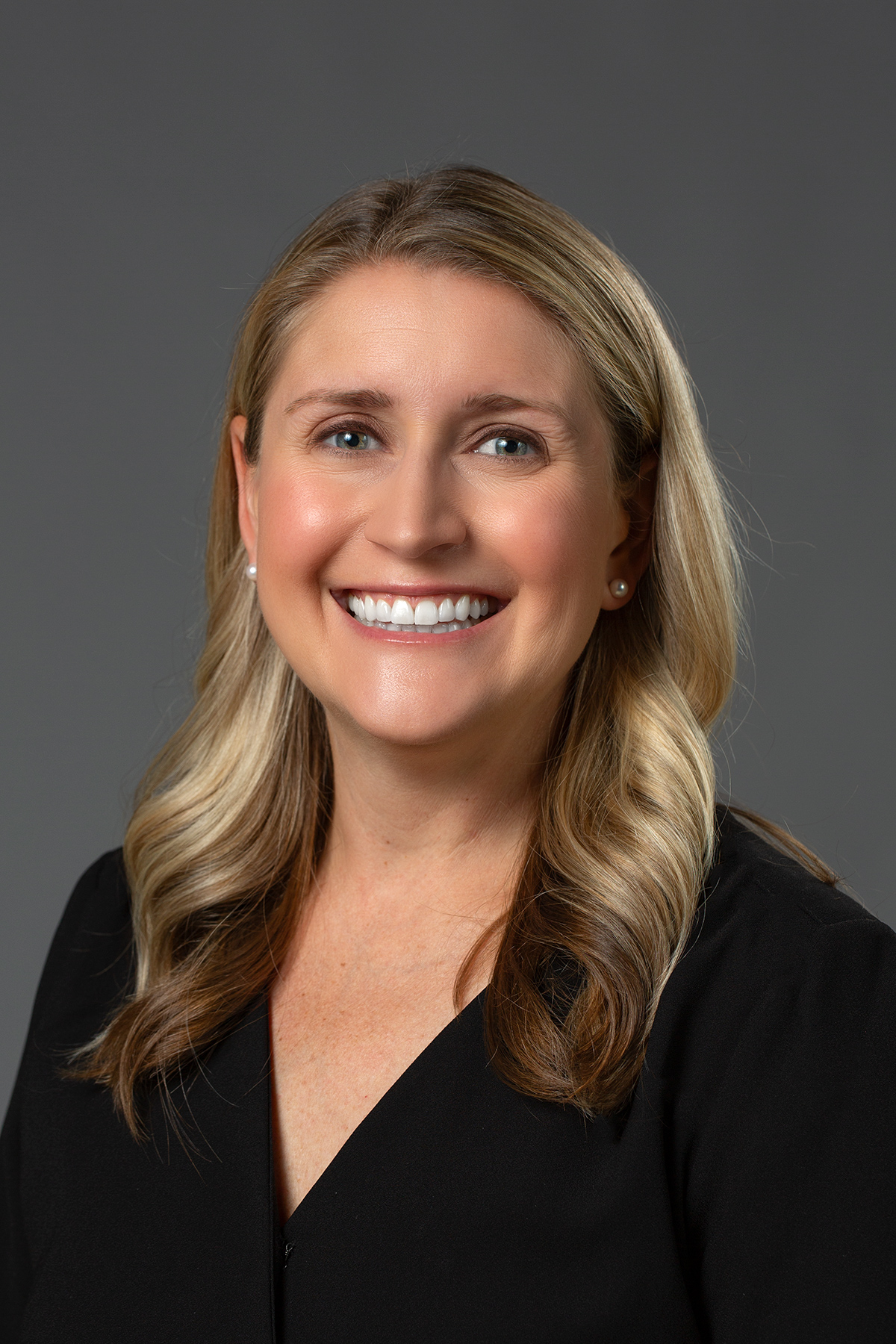
Anatomy and Physiology I is taught by Dr. Jennifer Bray, an instructor in the Department of Biology at UW-Stevens Point. She earned her BS in Biology with a Chemistry minor at UW-Stevens Point, and her PhD in Biology with a Neurophysiology emphasis at Marquette University.
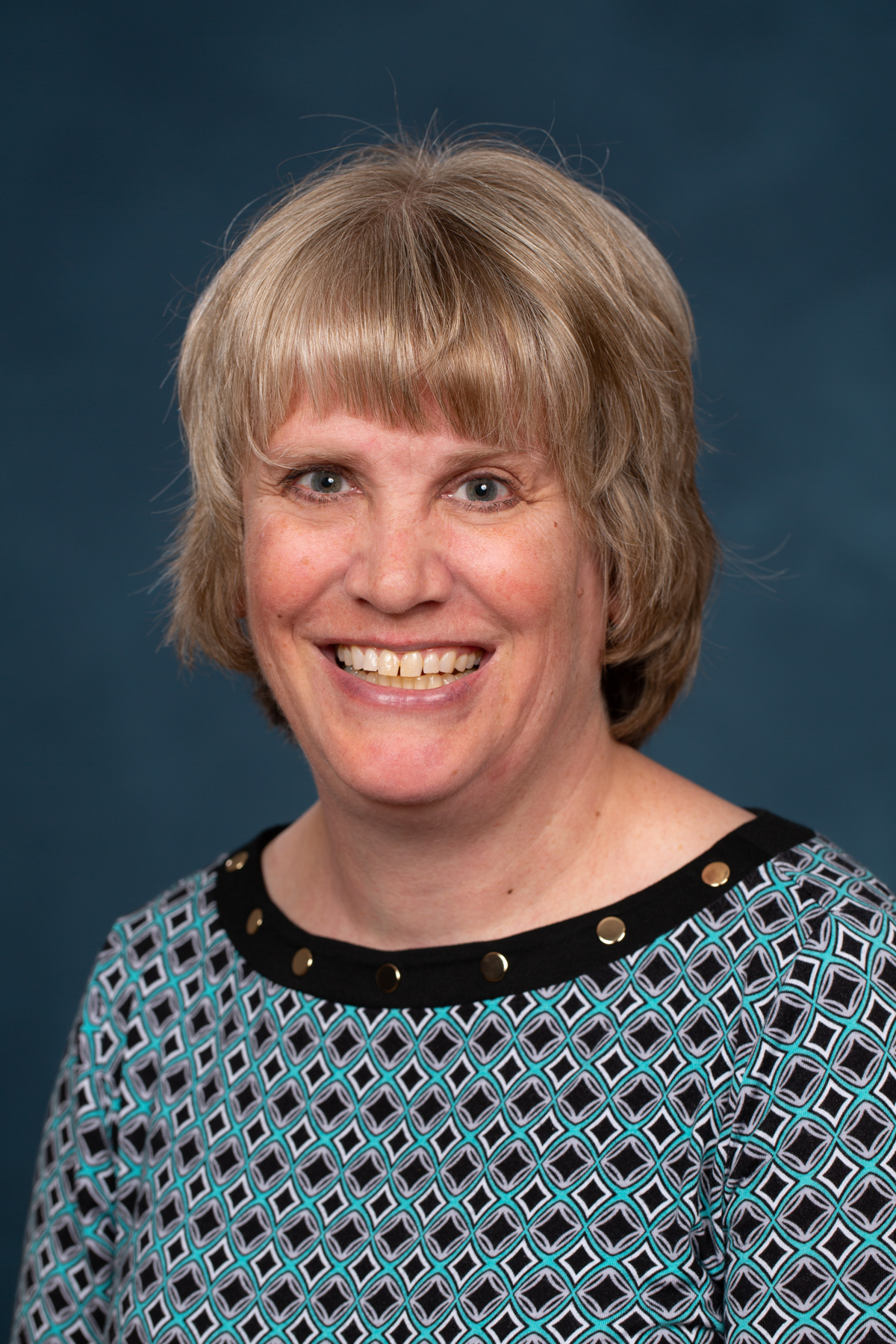
The second course in the two-part series is taught by Dr. Kristine “Kris” Prahl, an Associate Professor of Biology at UW–Stevens Point at Wausau. She earned her BA in Biology at Concordia University Chicago, and her PhD in Biochemistry at UW-Madison.
After meeting with a colleague on campus to discuss the need for online anatomy and physiology courses, Jennifer and Kris began working on them to give nursing students and others more opportunities to access the courses. The two collaborated with UW instructional designers Kristine Pierick and Jessica O’Neel to develop the courses for Canvas, the Universities of Wisconsin’s learning management system.
“We had a great experience,” Kris said. “Jennifer took the lead in most of the lab assignments, whereas I took the lead in most of the lecture-related quizzes and exam questions. And the interaction with the instructional designers was great. They helped a lot with developing the discussions that would lead to classmates talking with each other virtually.”
In the following Q&A, Jennifer and Kris share how they connect with students, what motivates their teaching, and what you can expect from their online courses.
What can students expect from you as an instructor in a 100 percent online program?
Jennifer: “It was hard at first, because I’m definitely a ‘come and see me during office hours, my door’s always open’ kind of person. But if they can’t come to my office, it makes it very different.
I think how I’ve dealt with trying to be engaged in a completely online course is to check in multiple times per week with announcements or checking in with a discussion group. I try to be more interactive and present as much as possible.
I also try to provide positive feedback. If they’re doing a great job in the course, I like to reach out to them and say, ‘You’re doing awesome. Keep it up.’ And if students aren’t maybe doing as well as I would like, I think it’s really important to say, ’I noticed you’ve missed a few assignments. Is everything OK? How can we get you back on track and where we need you to be?’”
Kris: “The students definitely are encouraged to post questions when they have questions. They can also post comments in our discussion forum that the whole class sees. I sometimes use that forum to give guidance on an assignment.
If I get the feeling that students are needing a little more guidance, I can post a hint and say ‘Remember this?’ Or if they’re misunderstanding what they’re supposed to do, I can, in that discussion forum, say, ‘Here’s what I’m looking for.’
I also have Zoom office hours, so that’s available for students too. I let students know that if my office hours don’t work for them, I can schedule a Zoom meeting at some other time. So if they want a real-time conversation with me, that’s always available.”
What is your favorite part about teaching?
Jennifer: “It’s a cliche answer, but it’s always about the students. We teach because we want to engage with students—learning not only from them, but teaching them.
I’m a lifelong learner, and I want to be able to convey that passion for learning. Especially with the human body, it’s so interesting. Everybody has a body, so we can talk about respiration, how it is affected by this factor. And they can do it. I think that’s really fun. When they get excited about something, I always like that, too.”
Kris: “My favorite part about teaching is continually learning new things, especially in the area of biology and healthcare. There’s always new advances that I love learning about. I also like one-on-one interaction with students.
You might think that I get it more in face-to-face courses, but I also get it in online courses. If students have questions, they need to email me or do a post, rather than relying on maybe what other students ask in a large lecture class. So I do get to know students in the online course.
And back to my college experience, I went to a smaller college for undergrad. That is one thing that really made me desire to be a teacher is that in small classes, I got to know the instructors well or felt like I got more personal attention. That’s something I try to incorporate in my teaching too, is making sure students know I’m available for questions and getting to know them.”

Get Program Guide
Learn more about our 100% online degree and certificate programs.
What keeps you motivated with your work in this field?
Jennifer: “We know so little about how the human brain actually works. Every semester that I teach neurobiology, whether it’s in this online course or in my neurobiology course, it’s constantly changing, because we’re learning new things every day.
That’s what makes the neuron and neuro side of things pretty exciting and interesting, just because it does change so often. In terms of teaching this online course, I really do think it’s having such a diverse background of students and being able to have them work together. We do a lot of group projects and a lot of discussions where they interact with one another.”
Kris: “I think another thing that motivates me is seeing how my teaching is a stepping stone for students and helping them get to the next step in their career. I like how I can be a positive influence for students in that way. It’s not just exciting for me, but hopefully it’s exciting for students and a positive experience that helps them get even more excited about their career that they’re choosing.
For the pathophysiology project, students choose some medical condition or disease. And then their project is to do research about that disease, prepare a PowerPoint presentation, and summarize their findings in a written paper. Oftentimes students will choose a topic they can personally relate to. They may have a loved one who has a certain condition or know friends with a condition or just see how the rate of dementia is increasing more in their community.
I like how they can apply what they’re learning to some aspect of their lives, and that’s something that motivates me too.”
Why should students consider taking Anatomy and Physiology I and II online?
Jennifer: “The online learning component offers flexibility. What students really appreciate is if they are nontraditional, or if they have a full-time job, they can still take this course and do well in it because there is that flexibility within the course.
A lot of the labs and material we cover are also very similar to what we do in person. They’re simulated online labs that we use, but they try to be as hands-on and interactive as possible. Some of the labs are exactly what we do in my in-person lab, which I think is really neat, where they still get to do it even though they’re online, at home, sitting at their desk.”
Kris: “Some students, because of their work schedule, can’t take traditional face-to-face classes at the time they’re offered or want a more flexible format where they can do their studying and coursework in the evenings. Maybe they have family commitments too that they’re working around.
In some ways, the course can be self-paced. If students are familiar with the topic or grasp a topic very quickly, that allows them to move on to the next step faster than they would in a face-to-face course. Or for some topics, maybe they need to spend more time on it than they would in a face-to-face course, so it gives that flexibility as well.
In an online course, they have lots of opportunities to develop communication skills in their discussion post as well as in their pathophysiology project.”
Interested in learning from instructors like Jennifer and Kris? Explore the curriculum for the UW Online Collaboratives Gen Ed Courses. If you have questions, you can also connect with an enrollment adviser at 608-800-6762 or learn@uwex.wisconsin.edu.